




Decent work and economic growth
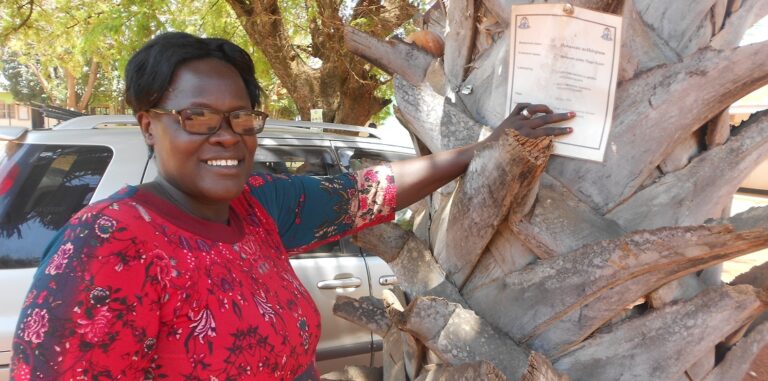
“This is work in progress. I feel I just opened the door”
Dr. Christine Oryema’s experience studying in Denmark would be the envy of any Ugandan PhD student who does not get the opportunity to study abroad, especially in countries that provide an ideal study environment.
An ethnobotanist based at Gulu University, one of Uganda’s public universities, Dr. Oryema was among the beneficiaries of a PhD sponsorship through DANIDA’s ENRECA programme. This gave her the opportunity to spend more than 12 months of study time at the University of Copenhagen as part of her PhD programme.
Read More
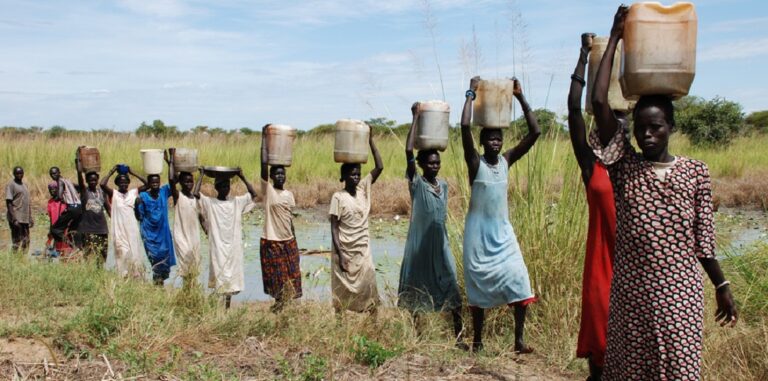
Water harvesting for food security and income generation for rural women
Dr. Peter Tumuteygereize who started publishing his research in 2011 has transformed the lives of 500 women in Hoima District located in Western Uganda. While pursuing his PhD, he visited Germany University of Hohenheim in July-September 2009 as a student researcher focusing in the area of biogas.
Read More
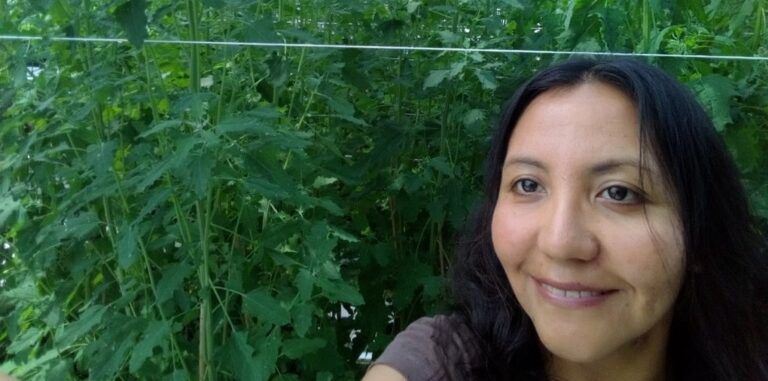
Unveiling diseases in quinoa and reviving lost Bolivian identity
Bolivian PhD student at University of Copenhagen, Carla Colque-Little, researches resistance towards diseases in quinoa plants. This is important, not only for the Bolivian economy, but also for the recovery of the Bolivian identity after years of colonialization
Read More
HIV and Malaria: A nation assured on drug safety
Standing at the entrance of the Faculty of Medicine at Gulu University, Dr. David Musoke looks a calm man. He has been waiting here for some minutes to receive a journalist from Kampala with whom they have only interacted through...
Read More
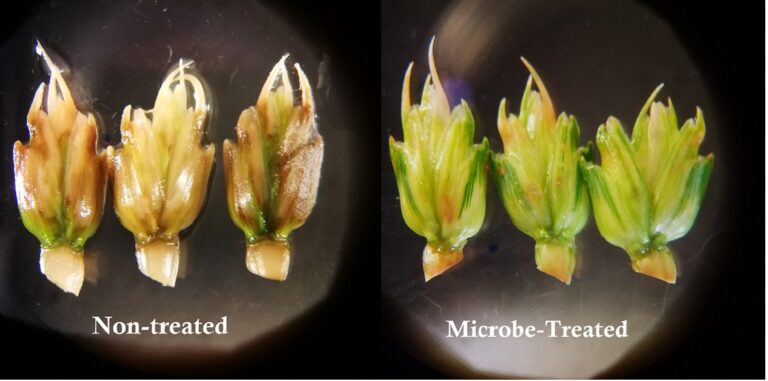
Microbes for pesticide-free wheat with a smaller footprint
Consumers and the broader public have been more and more interested in what organic and sustainable agriculture can offer, namely, pesticide-free food and reduced environmental impact. The overuse of pesticides as a strategy to prevent disease has raised concerns with farmers and scientists, too, as resistant diseases are on the rise.
Read More
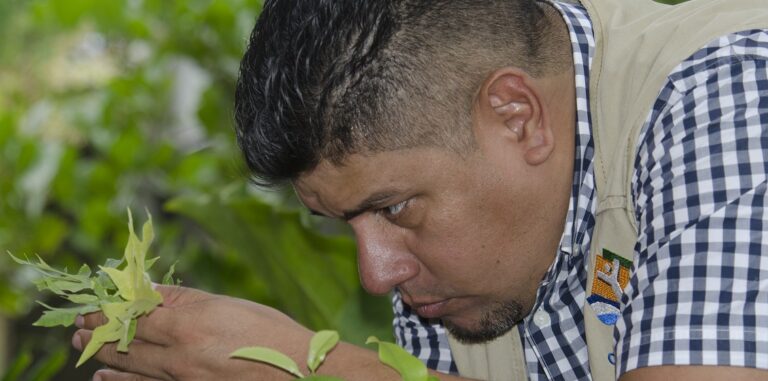
Nicaragua: Making local people participate in climate change research, that’re going to save their lives
Researcher Abdel García from Humboldt Center, one of Nicaragua’s most renowned environmental institutions, is passionate about involving local population in climate change adaptation research. “In the near future Nicaragua as a country where people live, might stop existing,” he fears
Read More
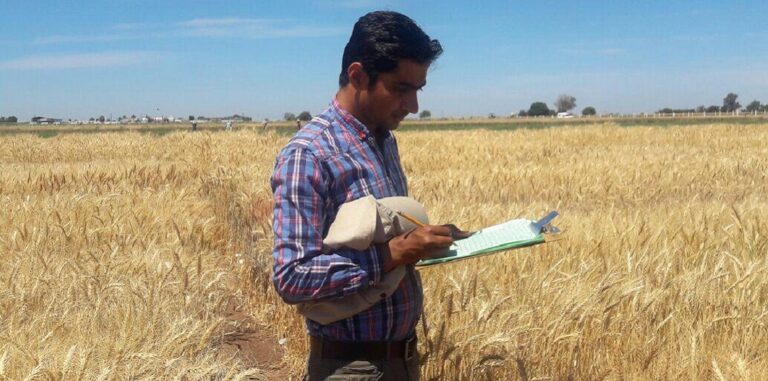
On the road towards the perfectly climate adapted wheat
PhD-student from Pakistan, Sajid Shokat, collaborate with University of Copenhagen and International Maize and Wheat Improvement Center (CIMMYT), Mexico on adapting wheat to climate changes. According to him, his stay in Denmark will make a difference in his home country for both farmers and students.
Read More
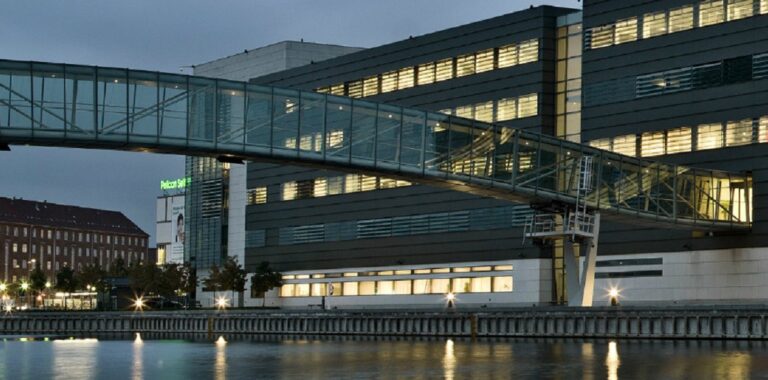
DDRN/CMI seminar: South-North research cooperation at Aalborg University Copenhagen
The fourth seminar in the DDRN series on South-North research cooperation is co-organised with Center for Communication, Media and Information Technologies (CMI). It takes place at the Copenhagen campus of Aaalborg University. The key note presentation is by Idongesit Williams, Post Doc at CMI. Also, faculty of Department of Communication & Psychology and Department of Culture and Global Studies will present their experiences.
Read More
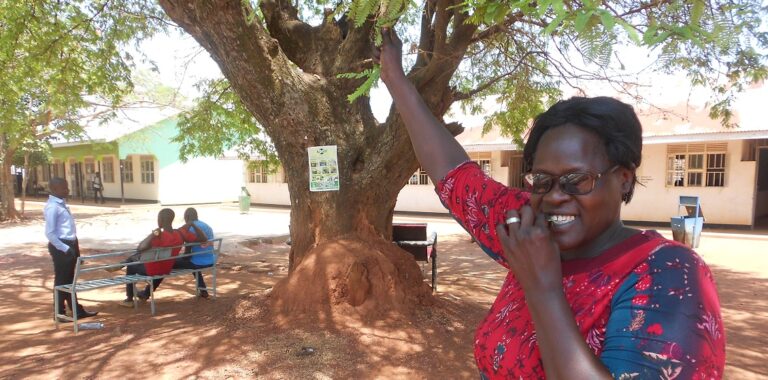
Oryema, the Woman of the Wild Plants
In 2010 Christine Oryema set out to do her PhD. She was, through the process, to find and document the diversity, uses and nutrient composition of indigenous edible fruit trees of northern Uganda, particularly in Gulu and Amuru districts. Although she later narrowed her study site to just six sub counties of Gulu, she found more disturbing questions beneath the answers she sought, leading her to conclude: “I think I have just brought out this area. It has not been studied.”
Read More
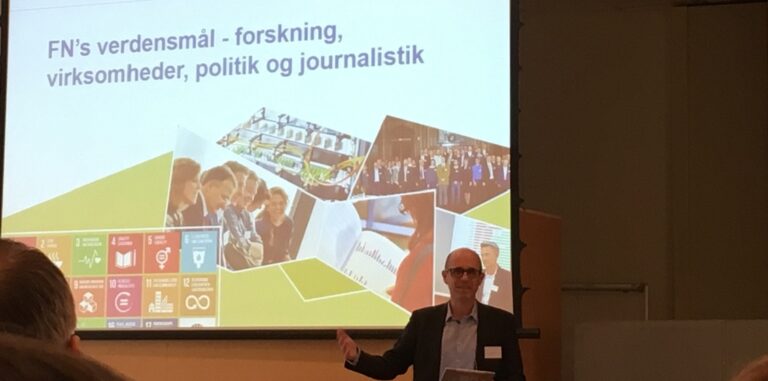
‘Are the UN Sustainable Development Goals nothing more than a Smiley scheme for business?’
The UN Sustainable Development Goals (SDG’s) of the 2030 Agenda officially came into force on 1 January 2016 succeeding the UN Millennium Development Goals. How can we make sure that the SDG’s trigger the needed action from all stakeholders? That was the challenge which the Danish Academy of Technical Sciences (ATV) and the Danish Science Journalists Association jointly put to the panellists at a conference held at the Novozymes complex in Bagsværd on Friday, 8th of March 2019.
Read More

Smart Choices, Smart Clothes
One stroll around pretty much any modern day fast fashion store, and the scale of production and waste that comes hand in hand with our shared love of having the new ‘look’, is apparent. From the vast amount of waste made purely ‘in-house’, to its international reach, the modern fast fashion industry poses a number of problems
Read More
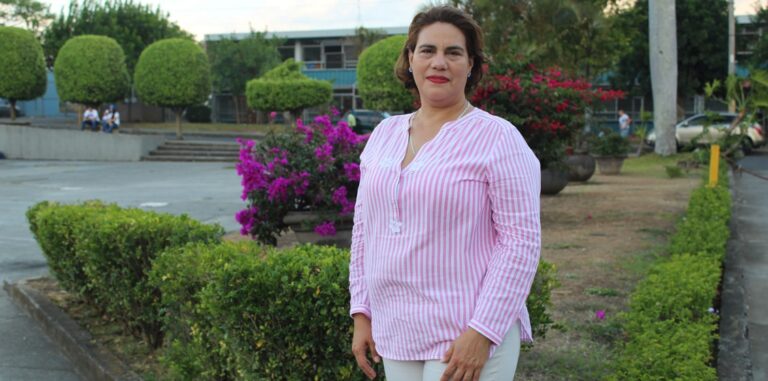
Nicaraguan sociologist in exile
The renowned Nicaraguan sociology researcher Elvira Cuadra has been working from her exile in Costa Rica since December 2018. She is one out of at least 55.000 people from Nicaragua who has escaped for political asylum in the neighboring country.
Read More
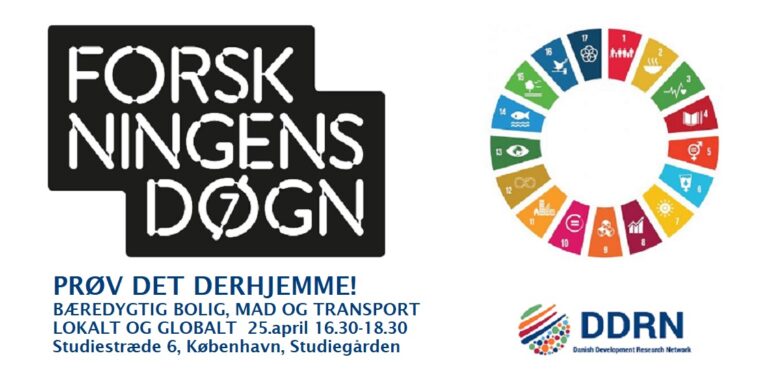
Prøv det derhjemme! Bæredygtig bolig, mad og transport – lokalt og globalt
DDRN dialogue with researchers during the Danish Science Festival on 25 April 2019, 16.30-18.30 at Studiestræde 6, Copenhagen. The dialogue is in Danish and entitled 'Try this at home! Sustainable home, food and transport' Discuss with three senior researchers at Danish universities and four PhD student from China, Pakistan and Bolivia currently studying in Denmark.
Read More
DDRN is back!
On 14 January 2019, DDRN held its first General Assembly since a relaunch of DDRN was initiated in the second half of 2016. The General Assembly elected the members of the DDRN Board 2019-2020 to replace an Interim Board functioning during 2016-18. Associate Professor Johannes Dragsbæk Schmidt, Aalborg University, was elected Chairman of DDRN.
Read More
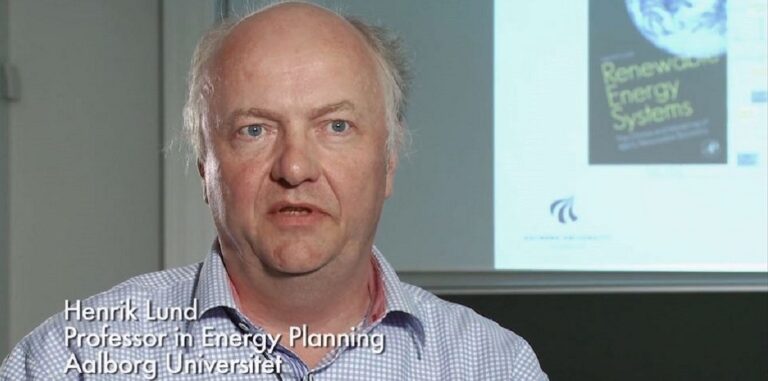
Low carbon urbanisation policy in China – connecting with an AAU research group
Qiaoran Wang travelled from China to the Sustainable Energy Planning Research Group at Aalborg University (AAU) for co-supervision during her PhD project on urbanisation and energy transition in China. China is going through a process of rapid urbanisation. The priority to increase the use of renewable energy motivated Qiaoran Wang to focus on low carbon urbanisation policy. How can renewable energy be used in the residential sector? She spent the final year with the research group and went back to her home university, Yunnan University, South West China, in September 2018 for the PhD defence.
Read More
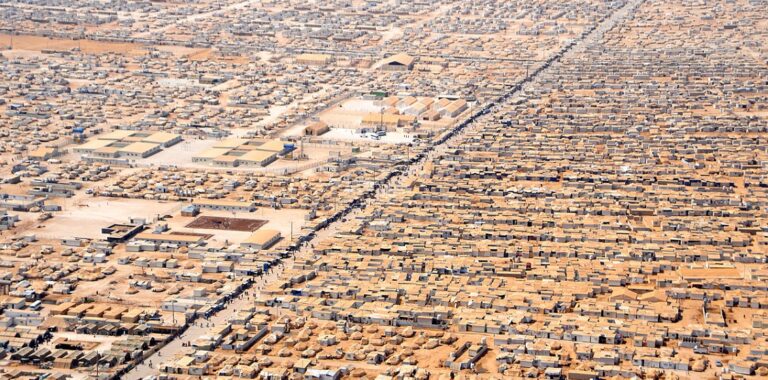
Blockchain: Solutions for vulnerable citizens?
How do the world’s most vulnerable inhabitants, living in refugee camps, areas of conflict, and developing countries engage with international legal practices, and economic markets? Emerging blockchain technologies are developing to improve upon the ‘legal-limbo’ that many of the world’s most vulnerable citizens find themselves in.
Read More

Challenge-Driven Innovation (CDI)
“Do we want to make the world a more sustainable place through concentrated efforts around a complex societal challenge? In the “Utmaningsdriven Innovation” (UDI) (“Challenge-Driven Innovation" (CDI) program) we create the conditions for actors that want to investigate, develop and implement innovative solutions that contribute to the sustainability targets of the 2030 Agenda”.
Read More

Blockchain backing transparency?
Corruption represents a major obstacle in reaching the Sustainable Development Goals. The activity hampers economic growth and increases poverty, depriving the most marginalised groups of equitable access to vital services such as healthcare, education and water and sanitation. Development practitioners should now start to modernise their approach to preventing petty corruption from hindering their agendas and look towards new technologies.
Read More
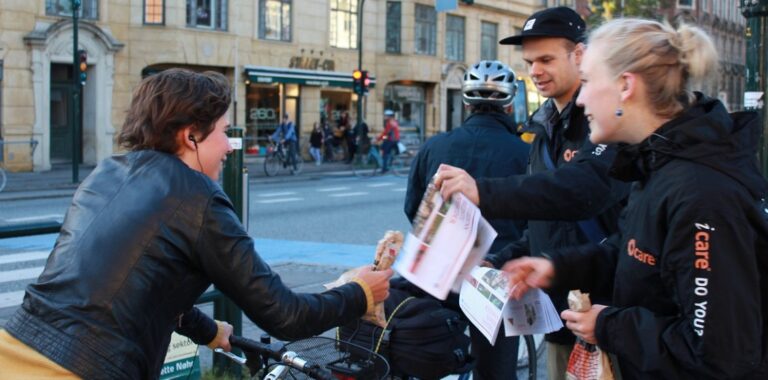
Constructive Journalism: Positively Correct News
Verdens Bedste Nyheder use constructive journalism to write news stories on global development. They regularly publish news on their website, as well as Facebook, Twitter, and Instagram. Every Friday you can read the articles in the free newspaper B.T.metro.
Read More

Hall of Shame?
Hijacked journals and predatory publishers are phenomena facing the aspiring researcher in the South and North alike. Which are the pitfalls? Is Open Access a cause or a remedy? You are invited to take a stand in the controversy about these ‘by-products’ of universities’ pressure on faculty staff for increasing scientific publication.
Read More