



Research by Discipline
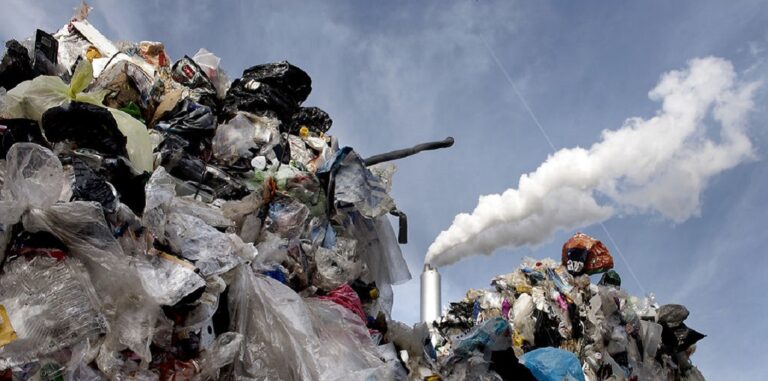
Circular economy: Breaking the plastic waves
You’ve heard it all before: the state of our plastic waste crisis is dire. And it’s true. Around 13 million tonnes of plastic leaks into the ocean annually, and this is just expected to increase unless we act now. Of all of the plastic waste generated, the majority is plastic packaging, and constitutes 60% of the coastal waste
Read More
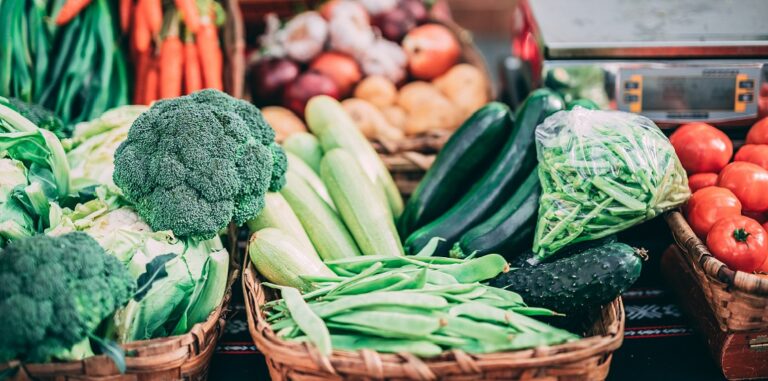
Fake Nutrition News: How to Counteract Misinformation when Promoting Good Health and Well-Being
While the rest of the world largely discussed fake news in a political context, the Danish Government kept its eye on misinformation and alternative news surrounding food and health being spread on social media. The circulation of so-called fake nutrition news not only creates difficulty navigating food and health information online, it is also potentially dangerous to the health and well-being of the general public.
Read More
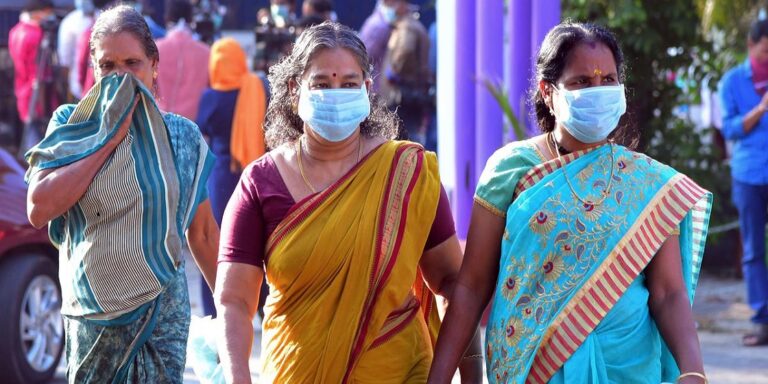
Equity and gender equality after Covid19 – Lockdown violence and cashless cities under the pandemic
Sexual violence and violence against women more broadly have surged worldwide during the Covid19 crisis. In this article Nickolas A. Kirchert asks anthropologist Atreyee Sen to assess the goal of equity and gender equality in India after Covid19
Read More
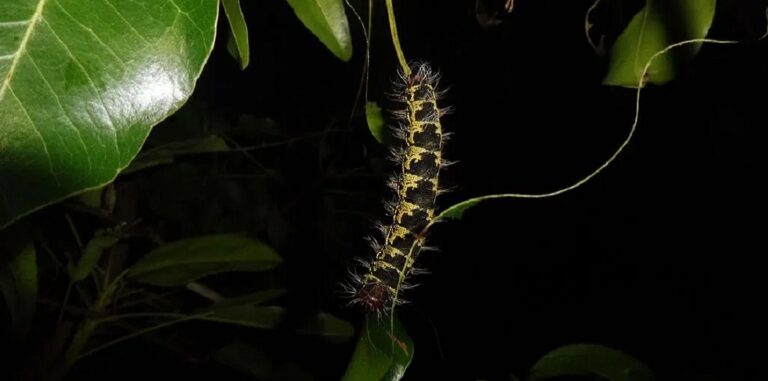
Can a pest species earn you more than the principal crop?
In October 2020, Krishnanunni Mavinkal Ravindran defended his Master thesis at Dept. of Food and Resource Economics (IFRO), University of Copenhagen. In this article, he tells about the fieldwork experience in Ghana. Krishnanunni studied the contribution of an edible pest species - shea caterpillars - to rural livelihoods in Ghana and the accessibility constraints associated with its harvest.
Read More
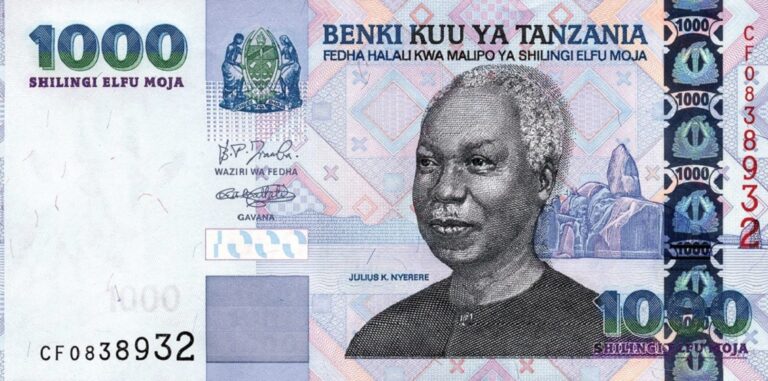
New research 2020 – CASH-IN: privately managed cash transfers in Africa
On 1 September 2020, a major research effort was launched for a duration of five years to study whether privately managed cash transfers are able to avoid the kind of capture by ruling elites experienced by publicly managed. The project leader of CASH-IN is Associate Professor Lars Buur, Department of Social Sciences, Roskilde University (RUC).
Read More
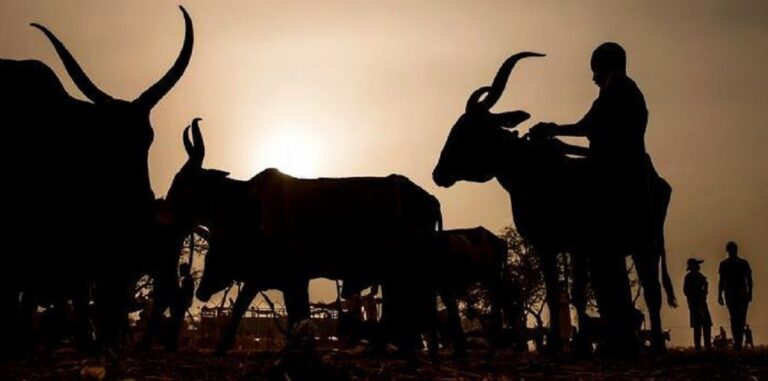
Farmer-herder conflicts in Ghana: repercussions on livelihoods and state-building
How is it like to live a life in a country where there is a complex and dynamic tenure system which always leads to tensions between the farmers and the herders? Relishing the Danish summer, Suhiyini Issah Alhassan, and Daniel Kojo Leon Brenya Yeboah, talk about their DANIDA funded Ph.D. project on the recurring farmer-herder conflicts in Ghana that has worsened over the past few decades.
Read More
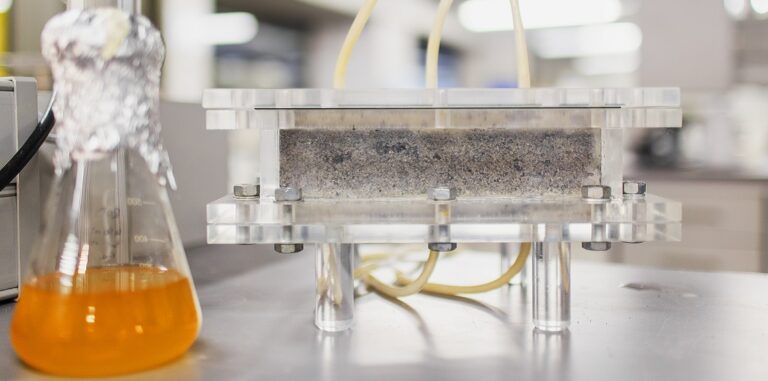
No such thing as waste: resource recovery and shifting perceptions
‘Out of sight, out of mind’ is a well-known expression, but one with pernicious effects in the context of waste. We’ve always done things a certain way. Things are made, used, and thrown away. But where do all these thrown-away things go? What do they become? What could they become? Our linear way of thinking and behaving is being increasingly criticised as landfills overflow, water supplies dry up, and air becomes unbreathable.
Read More
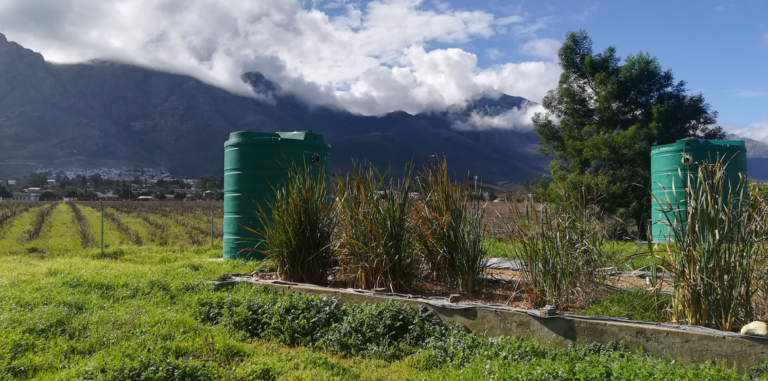
Multidisciplinary collaboration to secure the future of water in Cape Town
In 2018, the City of Cape Town declared a city-wide water crisis, which would be punctuated by ‘Day Zero’ – the day the city would run out of water. The drought had been looming for years, and the City of Cape Town had made some management changes, but all rested on the assumption that rain would fall at the same rate as in the past.
Read More

Ravinder Kaur: From ‘Third World’ to ‘Emerging Market’
To talk about development is to talk about change. And along the notion of change comes the idea of ‘the new’. The notion of development goals for the future world has been around for quite some time. In this article we look at the contemporary notion of change and ‘the new’ in the region generally referred to as the ‘developing world’. This article specifically focuses on the rise of India as a ‘brand new nation, and how we went from talking about ‘developing countries’ or ‘Third World’ countries to ‘Emerging Markets’.
Read More