


Latest posts
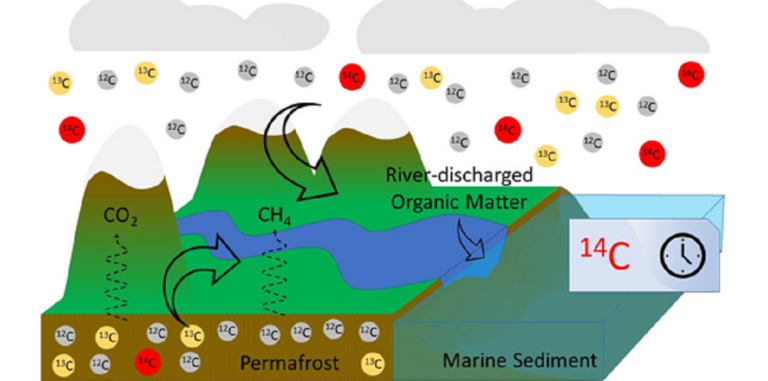
Climate change: Permafrost carbon remobilization
Earth’s climate is dynamic. Past environmental conditions can be studied to give insights about current and future changes. As the planet warms quickly, scientists rush to investigate climate archives spanning thousands of years in order to unlock this information. Within the science community, there is an overwhelming consensus about human causing the current climate crisis among the science community, but it is a big challenge to raise awareness among the public.
Read More
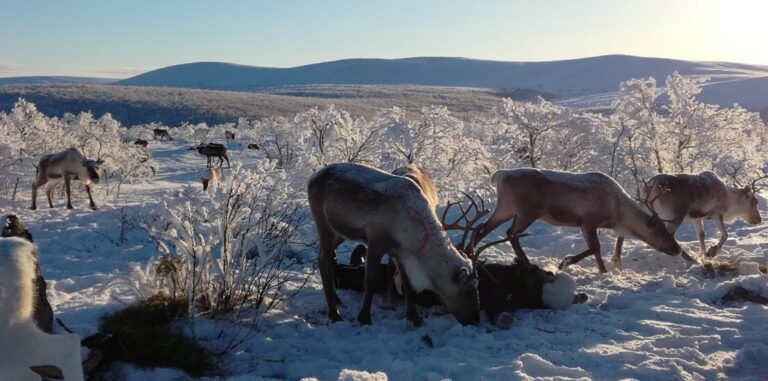
Sami-youth in Finland: “Our culture is threatened by climate change – and we are not even part of the conversation about it”
Talking about climate change on several levels and with different meanings – is something essential to Anni-Sofia Niittyvuopio (21), Head of the Youth Council of the Finnish Sami parliament: “One of our main goals is to participate when we talk...
Read More
New research 2023: DANIDA funded development research in waiting
Early in 2020, a Swedish consultancy team published their findings from an evaluation of DANIDA funded development research during a ten-year period 2008-2018. In May, the Ministry of Foreign Affairs issued its response to the findings and recommendations of the external evaluators. However, the Call for 2021 applications remains largely identical with the previous call.
Read More
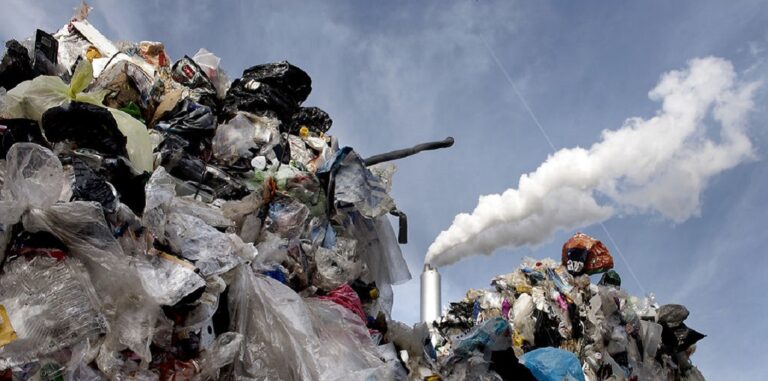
Circular economy: Breaking the plastic waves
You’ve heard it all before: the state of our plastic waste crisis is dire. And it’s true. Around 13 million tonnes of plastic leaks into the ocean annually, and this is just expected to increase unless we act now. Of all of the plastic waste generated, the majority is plastic packaging, and constitutes 60% of the coastal waste
Read More

Malaysian University Consortium for Environment and Development – Industry & Urban Areas
MUCED started activities in 2001, 20 years ago. What do different participants in the programme think of it? Does it have any impact today? Has it changed their mindset or influenced their future career? We have asked different people involved in MUCED about their opinion and how it have influenced their life prospectively.
Read More
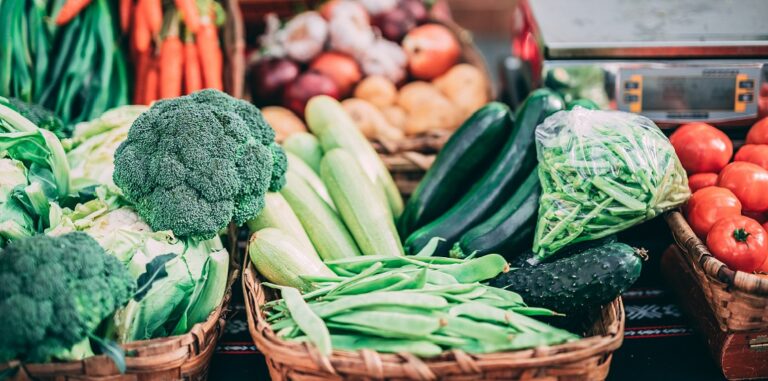
Fake Nutrition News: How to Counteract Misinformation when Promoting Good Health and Well-Being
While the rest of the world largely discussed fake news in a political context, the Danish Government kept its eye on misinformation and alternative news surrounding food and health being spread on social media. The circulation of so-called fake nutrition news not only creates difficulty navigating food and health information online, it is also potentially dangerous to the health and well-being of the general public.
Read More
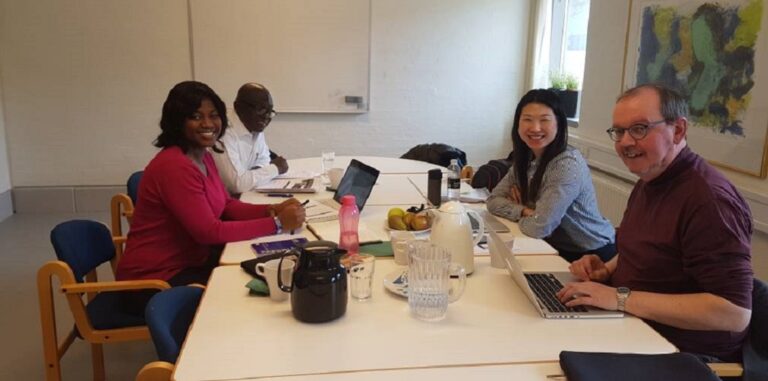
AfricaLics (Part 2): A first-hand account of the Visiting Fellowship Programme (VFP) experience
To get the perspective of a former participant of the AfricaLics Visiting Fellowship Programme (VFP), I spoke to Justina Onumah from the University of Ghana, where Justina is a PhD candidate. Justina has studied Agricultural Economics in her undergraduate and Master’s degrees, but switched to development studies for her PhD. She also works at the CSIR-Science and Technology Policy Research Institute (STEPRI) in Ghana.
Read More
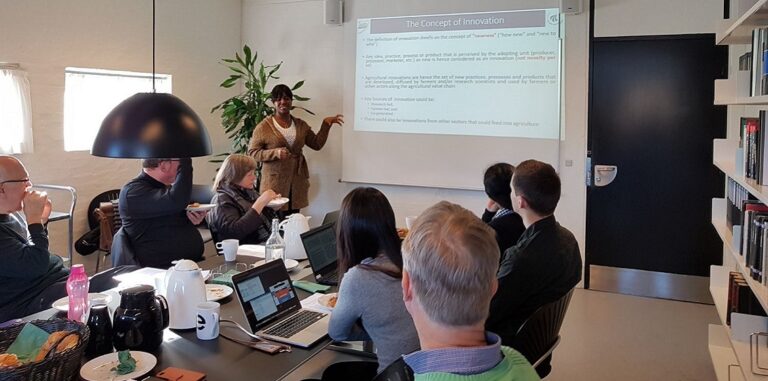
AfricaLics (Part 1): South-North partnerships through the lens of AfricaLics
African Network for Economics of Learning, Innovation, and Competence Building Systems (AfricaLics) is the African regional network of the larger network Globelics. Founded in 2012- the network aims to connect scholars, researchers and policy analysts in innovation and development studies in Africa. This is the first of two articles about the organisation
Read More
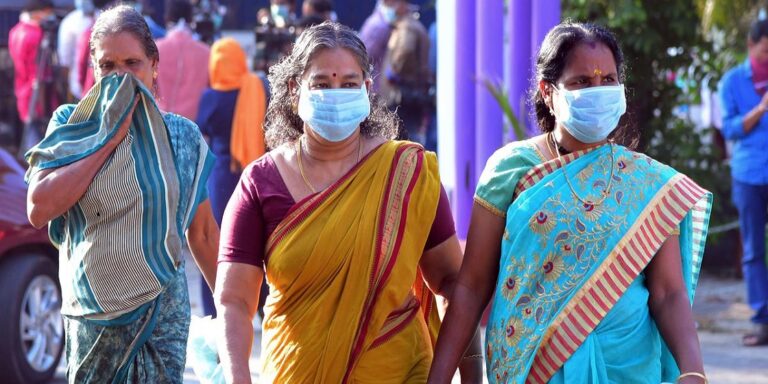
Equity and gender equality after Covid19 – Lockdown violence and cashless cities under the pandemic
Sexual violence and violence against women more broadly have surged worldwide during the Covid19 crisis. In this article Nickolas A. Kirchert asks anthropologist Atreyee Sen to assess the goal of equity and gender equality in India after Covid19
Read More
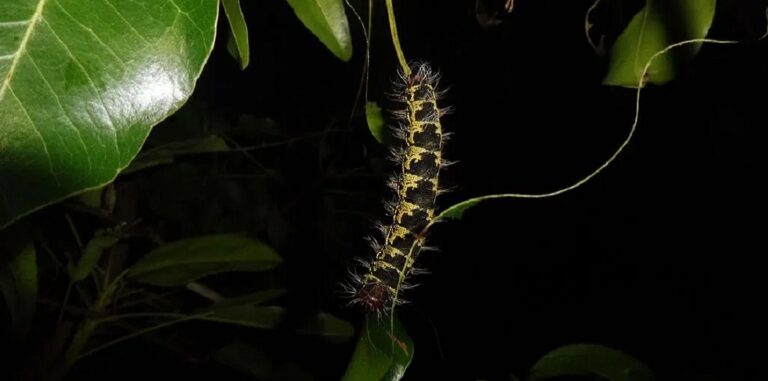
Can a pest species earn you more than the principal crop?
In October 2020, Krishnanunni Mavinkal Ravindran defended his Master thesis at Dept. of Food and Resource Economics (IFRO), University of Copenhagen. In this article, he tells about the fieldwork experience in Ghana. Krishnanunni studied the contribution of an edible pest species - shea caterpillars - to rural livelihoods in Ghana and the accessibility constraints associated with its harvest.
Read More
DDRN UPDATES


