

News
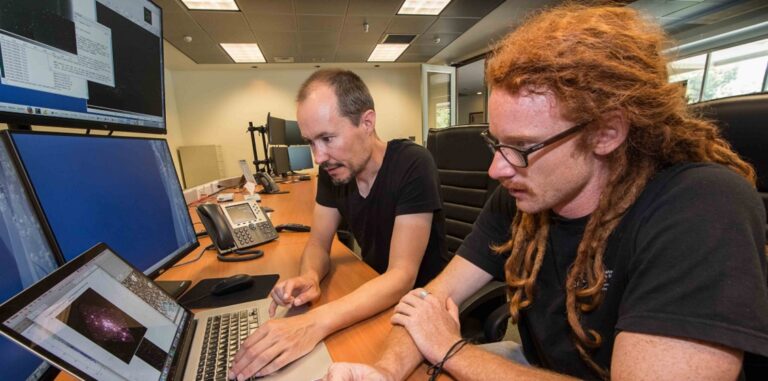
Same sky, different insights: Danish-Chilean research collaboration on astronomy
Chile has outstanding geographical and climatic qualities to do research in astronomy. Denmark has great resources and human capital to do cutting edge scientific research. Even though Chile and Denmark are 12.724 kilometres apart, if you look deeper, you can find great research and scientific collaboration between both countries.
Read More
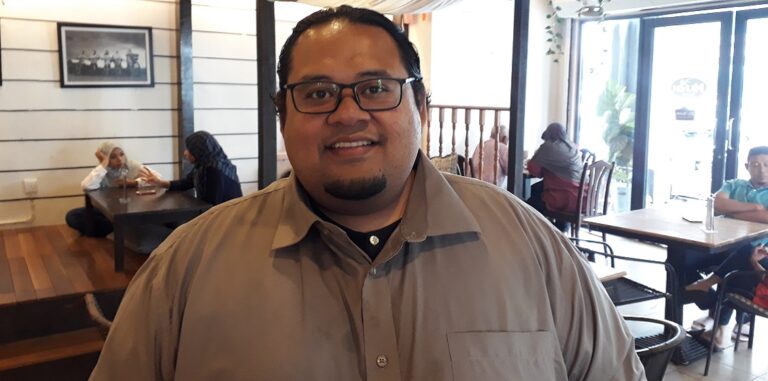
“We need to spread our knowledge”
Dr. Firdaus Yusoff came to Denmark to study the biofuel process. He left with much more than just academic achievements. The stay in a foreign country sparked his scientific curiosity and convinced him to emphasize that scientists need to serve the public by sharing results and knowledge.
Read More
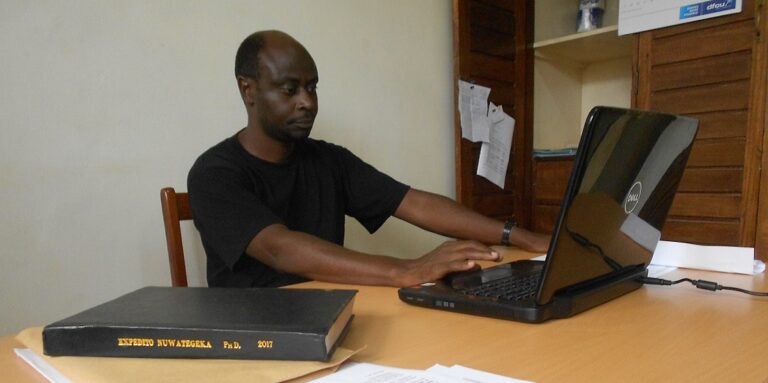
Indigenous Knowledge (IK) and the new face of Uganda’s PhD
The first time I spoke to Dr. Expedito Nuwategeka was on the telephone. In my mind I saw the image of a 60-year old man sitting on a wooden chair with piles of books at his table. However, that is not the image I arrived to at Gulu University on an April afternoon to meet him.
Read More
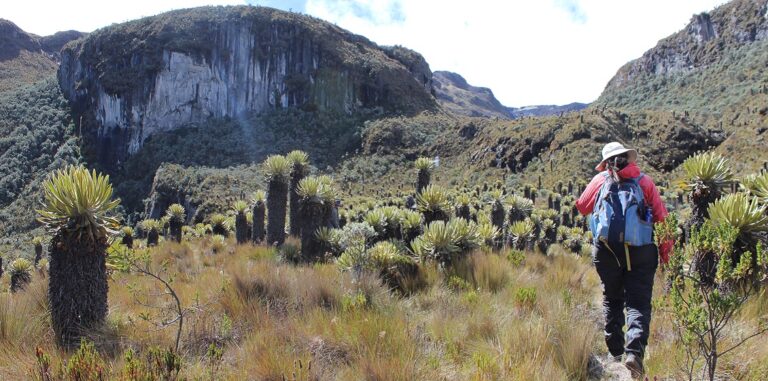
“Our water depends on these places – and we still don’t understand well, exactly how”
Maria Elena Gutierrez-Lagoueyte, a young ecologist, from the Colombian city Medellin, studies in detail the plants of the páramos (the moorlands). She studies the plants in order to understand how the unique Andean ecosystem plays a central role in the water cycle, providing the drinking water for around 40 million people in South America. But we do not know how exactly those moorland plants function.
Read More

“I want to give back what I learned to our society”
When Dr. Norazana Ibrahim did her Ph.D. project at the Technical University of Denmark (DTU), she could confirm that agricultural waste should be an important energy resource in Malaysia. Now comes the difficult part of commercializing the technology in the Malaysian waste management industries.
Read More
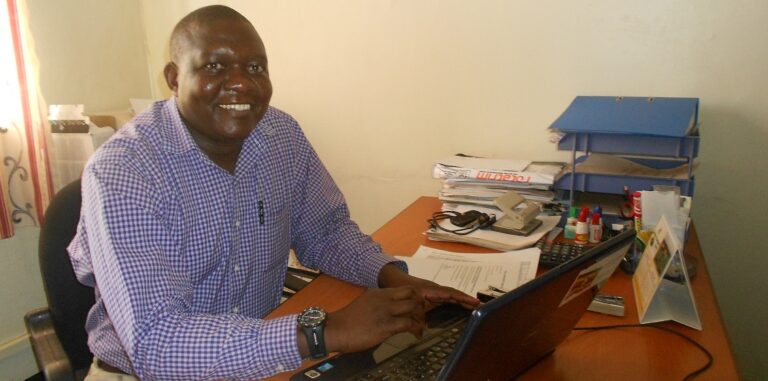
Mr. ENRECA and the Grant that Lifted Gulu University
In Gulu University’s history of nearly two decades, the story of ENRECA is told and retold with passion. The four-year Danish International Development Agency (DANIDA) funded 10 million DKK project was the university’s turning point in many ways: It delivered its first PhD, its first female PhD, 20 master’s degrees, several research collaborations, experience in managing large grants and a lot more.
Read More
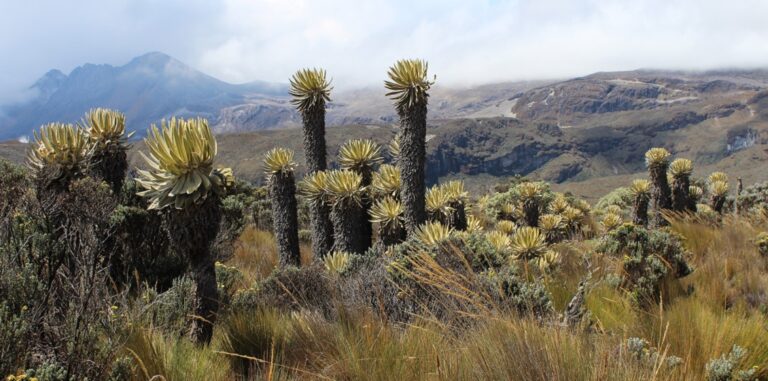
“The spectacled bear just doesn’t sell as well as the polar bear”
The Colombian hydroclimatologist Daniel Ruíz Carrascal is one out of only three IPCC authors from Colombia. He has dedicated his life to studying climate change, especially in the mountains and the páramos (the moorlands). And he is worried about the future - he doesn’t have a clue what will happen with those fast and important changes.
Read More
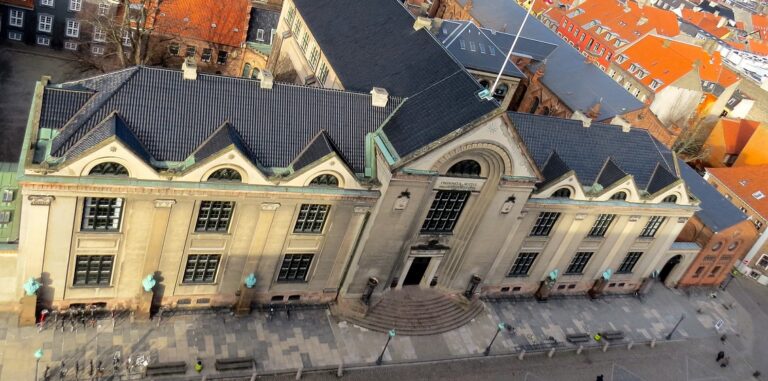
DDRN/UCPH seminar: South-North Research Cooperation at University of Copenhagen
The fifth seminar in the DDRN series on South-North research cooperation is co-organised with UCPH Global Development, SCIENCE Sustainable Development Working Group at University of Copenhagen. It takes place at the Science Faculty campus in Frederiksberg. The key note presentation is by PhD student Carla Ximena Little, Department of Plant and Environmental Sciences.
Read More
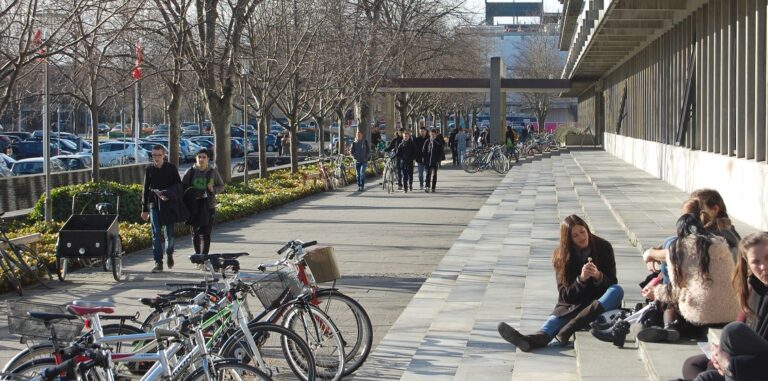
“Research is research, but I also want to develop students”
In March 2019 water pollution was discovered in the river Sungai Kim Kim in the city Johor Bahru, Southern Malaysia. The source was identified as 20-40 tonnes of oil waste illegally dumped into different parts of the river. Most likely, a nearby marine engineering or petrochemical factory wanted to save money and dumped waste that was supposed to be handed and disposed safely. The incident provokes chemical engineer Dr. Mohd. Kamaruddin Abd. Hamid, researcher and lecturer at Universiti Teknologi Malaysia (UTM).
Read More
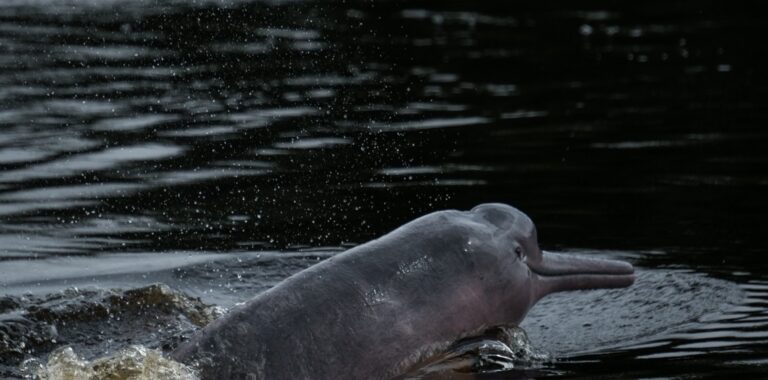
When the Amazon is on fire, one of the many species affected is the Pink River Dolphin
Meet a Colombian scientist, passionately researching about the pink river dolphin, a crucial species to protect aquatic ecosystems in the Amazon. The enormous habitat of those border-crossing dolphins makes them a key-species to protect big areas. If they are well, so is the Amazon. And when the Amazon is on fire, it affects species like the dolphin, as well.
Read More